
RESOURCES
What Vaccines Do I Require and Why?
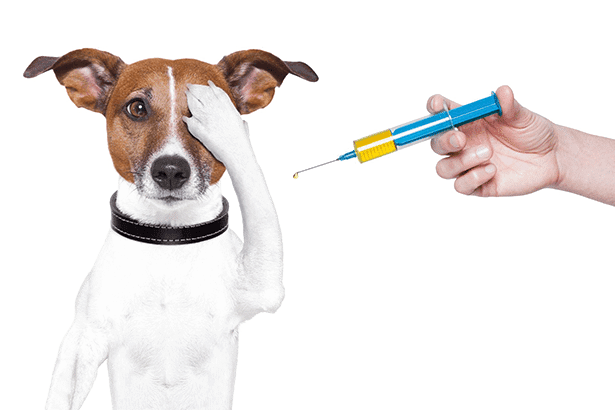
Your dog must be free of fleas and ticks. I will leave your choice of prevention or treatment up to you. All dogs over 16 weeks of age must have had 1 vaccine for Parvo and Distember. I am not requiring your dog be “current” on his annual vaccinations. The following information will explain why and may be a different point of view than you have heard before.
Please also see the two articles titled ReVaccination History and Puppy Vaccines. I hope you will find these articles informative. Please confirm any decisions you make concerning this subject with your veterinarian. The following article is a reprint, as shown below:
Safer Vaccine Guidelines For Dogs, by Dr Michael Dym VMD on April 10, 2014 in Vaccine Articles and News:
“In more than 23 years of practicing veterinary medicine, I have been minimally vaccinating pets to keep them safe from the dangers of over-vaccination. Over that time I have also been gathering data and research from top vaccination experts such as Dr Ronald Schultz and Dr Jean Dodds,
I have compiled some short points to provide dog owners with an accessible, easy to read guide to safer vaccination.”
Dos, Don’ts (and Nevers!)
- DO…
ask about measuring vaccination titers as an alternative to vaccinating adult or chronically ill pets. - DO…
avoid vaccinations such as Lyme, Bordetella, and Leptospirosis, which have questionable safety and efficacy. - DO…
give only one modified live canine parvo/distemper vaccination between the ages of 14 to 18 weeks; this can provide many years and often a lifetime of immunity In most dogs. - DON’T…
vaccinate young puppies under 12 weeks of age. At this young age, vaccination is not usually effective because of pre-existing antibodies from the mother’s milk. - DON’T…
vaccinate with multiple combination viral vaccinations at the same time. - NEVER…
vaccinate at the time of hormonal, surgical or emotional stresses, including at the time of any surgery, dentistries or while boarding. - NEVER…vaccinate a pet who is ill with ANY symptoms, including those pets suffering from skin/ear allergies, and those with any digestive upset.
Be Aware
- Over-vaccination is not only a waste of money for animal guardians, but may jeopardize the long term health of our animal companions.
- Vaccine reactions are quite common, and may occur not only immediately after the shot, but over days, weeks, months or even years later in what is immunologically accepted and known as a delayed hypersensitivity reaction.
- Autoimmune conditions, cancers and severe neurological disease have been reported in recently vaccinated pets.
- Modified live parvo/distemper vaccination has been shown to cause immune system suppression 10 to 14 days after administration.
- Environmental shedding of modified live viral vaccine antigens may cause immune reactions in sensitive pets that have not even been vaccinated!
- Rabies vaccination can lead to the production of antibodies against the thyroid gland and other organs in dogs recently vaccinated for rabies.
- Modified live combination parvo/distemper vaccination has been demonstrated to increase allergic responses to grasses and pollens in recently vaccinated dogs.
Most commercial animal vaccinations contain unhealthy levels of mercury, aluminum and other heavy metals.
Please support the work of the Rabies Challenge Fund whose goal is to increase the duration of required rabies vaccinations to at least five or more years, as well as allow medical exemptions of dogs deemed too unhealthy to be vaccinated.
It is my hope that this information will alleviate some of your concerns about immunity to dog diseases when taking your puppy for Puppy Training.
A guide to the three most common reasons puppies are over-vaccinated and how to reduce their risk with a simple test that any vet can do. Please click on this link to see the article in its entirety. Puppyshots, written by Dana Scott, editor-in-chief of Dog Naturally magazine. She is quoting from Dr Ronald Schultz, DVM

Health
Here is How I Feed, etc.

As important as training is, a dog needs a proper diet and good health to be both physically and mentally balanced.
Unless you are feeding babies, DO NOT FREE FEED, meaning leaving food down all the time for the dog to graze on as they want. This is both unhealthy for their GI tract and often creates picky eaters, as well as gives all that value away for free. It is like leaving an open wallet for your child to get into anytime they want.
I feed my dogs once/day, in the evening, but will give a small snack of a couple bites in the morning if they get an acid tummy, resulting in throwing up a bit of yellow foam. My dog’s food is measured at every feeding so I know exactly what/how much they are eating and can adjust as needed. If I’m training a lot, using treats (healthy food of course to treat with) I feed less food at night so my dogs never become over-weight.
I begin with a measured amount of dry dog food, 5 stars in quality, and add water or bone broth to soak it. When the water is absorbed, I add their supplements and 1-2 oz of meat or ½-1 cooked egg/10# body weight, and feed. Absolutely no soy, corn, wheat, by-products, lentils, peas, and a variety of other questionable ingredients. Be aware of too much flax, sweet potatoes, barley, oats, other grains incl rice, as well as chickory root, carrots, green beans, other vegies. Many of these are phyto-estrogens and cause health issues, especially in reproduction. They can also feed yeast and allergies in the body. Dogs are carnivores and do best on meat diets. Dry kibble is an extremely low quality food if it is not supplemented. I prefer foods that are freeze dried, frozen or fresh.
YES: my dog’s get ‘people’ food. It is food, whole and healthy, with live enzymes, etc. Feeding people food does NOT cause begging, feeding from your table causes begging! My dogs LOVE raw cabbage, leaf lettuce, asparagus, melons, berries, fruits, and more.
NEVER: feed grapes, raisins, macadamia nuts, chocolate, bread products, sugary foods, anything with the sweetener Xylitol (it is very poisonous)!
Here are 2 links for supplements I feed my own dogs:
DogFoodAdvisor.com: to research the quality of dog food you are feeding. It rates countless brands of dog food for quality and ingredients.
Nature’sFarmacy.com: for supplements this is what I feed all my dogs and I can’t recommend their products highly enough. Click thru to Nature’s Farmacy.com from here and enter your email address to save 10% on your order.
What I Use: I add these to my dog’s food from birth thru old age, thru breeding and gestation. My 2 favorite products are the Probiotic Max and the Ultimate. I also use the Norwegian Kelp daily as well as several of their other products for my aging dogs. Their supplements for those who have breeding males or females are excellent, and their fading puppy supplement is a lifesaver.
If you are interested in learning to feed homemade, they have great advice, help and support to get you going.

Bones: My dogs all have access to raw (uncooked, not smoked, not flavored, not processed/bleached, etc) bones at all times.
I do not brush my dog’s teeth, I give them a bone to chew on or I use dental powders. I NEVER give any bone other than raw. A chew treat might be a Bully Stick (organic of-course) and always inserted in a Bully Stick holder for safety. I NEVER give rawhide bones.

Water: When I travel, I take water. My dogs NEVER get flouridated or chlorinated water.
Be Aware: Environmental toxins are a contributing cause of cancer in dogs. My dogs are never exposed to:
- Dryer Sheets
- Laundry Detergents with scents or dyes
- Air Fresheners
- Deodorizers of any kind, such as carpet or Febreeze type stuff
- Artificially Scented Candles
- Heavy Perfumes
- Yard Chemicals (I prefer dandelions to a sick dog)
- Flea/Tick poisons
- Chemical based bathing products
- NO CIGARETTE SMOKE
Health A-Z
Dogs Naturally Magazine website has more information about canine health than you can imagine. They are a main ‘go-to’ for myself: www.dogsnaturallymagazine.com Whether you are curious about essential oils, vaccines, fleas/ticks, spay/neuter health, diet, or any other subject, they have information about it. I would also follow the advice of Dr Karen Becker (found on-line), Dr Jean Dodds (found on-line) or Dr. Ronald Schultz (found on-line).
Pup Pod

Each touch or nudge of the PupPod Rocker dispenses a few kibbles. PupPod offers a safe and engaging indoor activity. For your high-energy pup, create an exciting 'doggie Stairmaster' by placing the toy and feeder at opposite ends of the stairs. Set up a thrilling obstacle course through rooms or down the hallway. For dogs needing gentle care, place the toy and feeder close together to provide enriching mental challenges while minimizing physical exertion. This is perfect for older dogs with arthritis or those recovering from surgery. Keep a loving eye on your dog with live HD video streaming from the feeder to your phone. Reward good behavior, like staying off the furniture or being calm in the crate, with a tasty treat. Start a game session to turn feeding into a fun and enriching activity. Mental challenges from these sessions can help reduce destructive behaviors.
DEBIGERLINGER498 when you purchase. Use the link below to purchase: https://puppod.com/?ref=zobdhedk
Dog Fitness Equipment
All of the equipment I use for canine fitness, training, physical development and more can be purchased at a discounted price thru this website. Use the link below :
https://pawprospershop.com/?referral-code=278822977 Free or discounted shipping may be available.
LIBRARY

Want to Learn More?
Books/Videos/Websites that may of interest you:
Marker Training
- Karen Pryor: Reaching the Animal Mind
- Karen Pryor: Don‘t Shoot the Dog (revised edition)
- Karen Pryor: Getting Started: Clicker Training for Dogs
- Gail Fisher: The Thinking Dog
- Melissa Alexander: Click for Joy
- Pat Miller: Positive Perspectives 2
- Terry Ryan: Toolbox for a Great Family Dog
- www.clickertraining.com (Karen Pryor‘s site, equipment/resources/books)
- www.tawzerdog.com many videos to rent
- www.dragonflyllama.com
On Dogs and Dog Behavior (must reads)
- Karen Pryor: Don’t Shoot the Dog
- Karen Pryor: Lads Before the Wind
- Dr. Jean Donaldson: The Culture Clash
- Patricia McConnell: The Other End of the Leash
- Suzanne Clothier: Bones Would Rain From the Sky
- Amy Sutherland: What Shamu Taught Me About Life, Love and Marriage (very funny)
- Stanley Coren, PhD: How Dogs Think
- Mary Burch (head of AKC CGC dept): How Dogs Learn
OUR Karen Pryor LIBRARY IS ALWAYS AVAILABLE@ https://www.clickertraining.com/library
Great Authors/Instructors to Be Read/Follow:
- Susan Garrett, https://dogsthat.com/ (take advantage of her podcasts, they are amazing)
- Victoria Stillwell: Positive Reinforcement Trainer, TV Star/Trainer, Behavior Expert
- Sarah Owings: Nosework, Instructor/Competetor
- Hannah Branigan (Top for obedience competion, Rally-O and more)
- Denise Fenzi: Fenzi Dog Sports Training Academy (Links there to many superb trainers)
- Ema Parsons (leash reactivity)
- Peggy Hogan-horses (great You-Tube videos)
- Grisha Stewart: reactivity
- Kathy Sdao: App;ied Animal Behaviorist, Marine Animals, Dog Training
- Turid Rugaas (for dog body language) expert
- Michele Pouliot (platform training, canine freestyle, KPA faculty)
- Sue Sternberg: Dog Behavior, Body Language
- Kamal Fernandez: Dog Sports, Reactivity expert
- Terry Ryan, Legacy Dog Training, Sequim, WA (top international trainer/author/lecturer/teacher, chicken camps)
- Ken Ramirez (top in the world-all species including snake avoidance)
- Laura Monoco Torelli: Marine/Zoo animals, Dog Training, Veterinarian Advisor, Lecturer, KPA Faculty
- Pamela LeLand (zoo animals)
- Michael Shikashio (animal behaviorist, specializing in aggression) expert